- How should an Egyptian store map purchases and refunds in GA4?
- How can transaction identity and order reconciliation reveal measurement discrepancies?
Treat the order system as the commercial reference
For an Egyptian online retailer, a purchase event is useful only when its meaning is clear. Does it represent an order being created, payment confirmation, or another accepted business milestone? Without that definition, marketing can celebrate revenue that operations later cancels or finance cannot reconcile.
GA4 helps analyze customer behavior; it should not silently replace the order system or accounting records. Agree on the purchase trigger, then document how later cancellations and refunds will be represented and compared.
Map a funnel that reflects the actual store
Google's ecommerce measurement guidance documents recommended events and item data for shopping activity. A practical plan can include view_item, add_to_cart, begin_checkout, relevant shipping or payment steps, and purchase, where those actions exist.
Do not emit a checkout event just because a generic page loaded. Describe the observable action for each step, the expected item array, and the required commercial fields. Keep product identifiers consistent across browsing, basket, checkout, and purchase so analysis does not treat one product as several unrelated items.
Check mobile and desktop journeys, Arabic and English versions, and any external payment return. Event counts alone do not guarantee that a clean, person-level sequence exists across every journey or consent state.
Make transaction identity reliable
For a purchase, use a stable transaction_id associated with the order and consistent with Google's documented requirements. Do not generate a new identifier whenever the confirmation page reloads. Keep the identifier free of personal information.
Assign one authoritative owner for purchase emission. If browser tags, a plugin, and another integration can all send purchases, document their interaction and test for duplication. A transaction ID is an important control, not a substitute for understanding how each collection path behaves.
Define currency and value consistently. Document how shipping, tax, discounts, and item-level prices relate to the event fields. Use the documented field meanings rather than assuming a finance total can be copied into every revenue field.
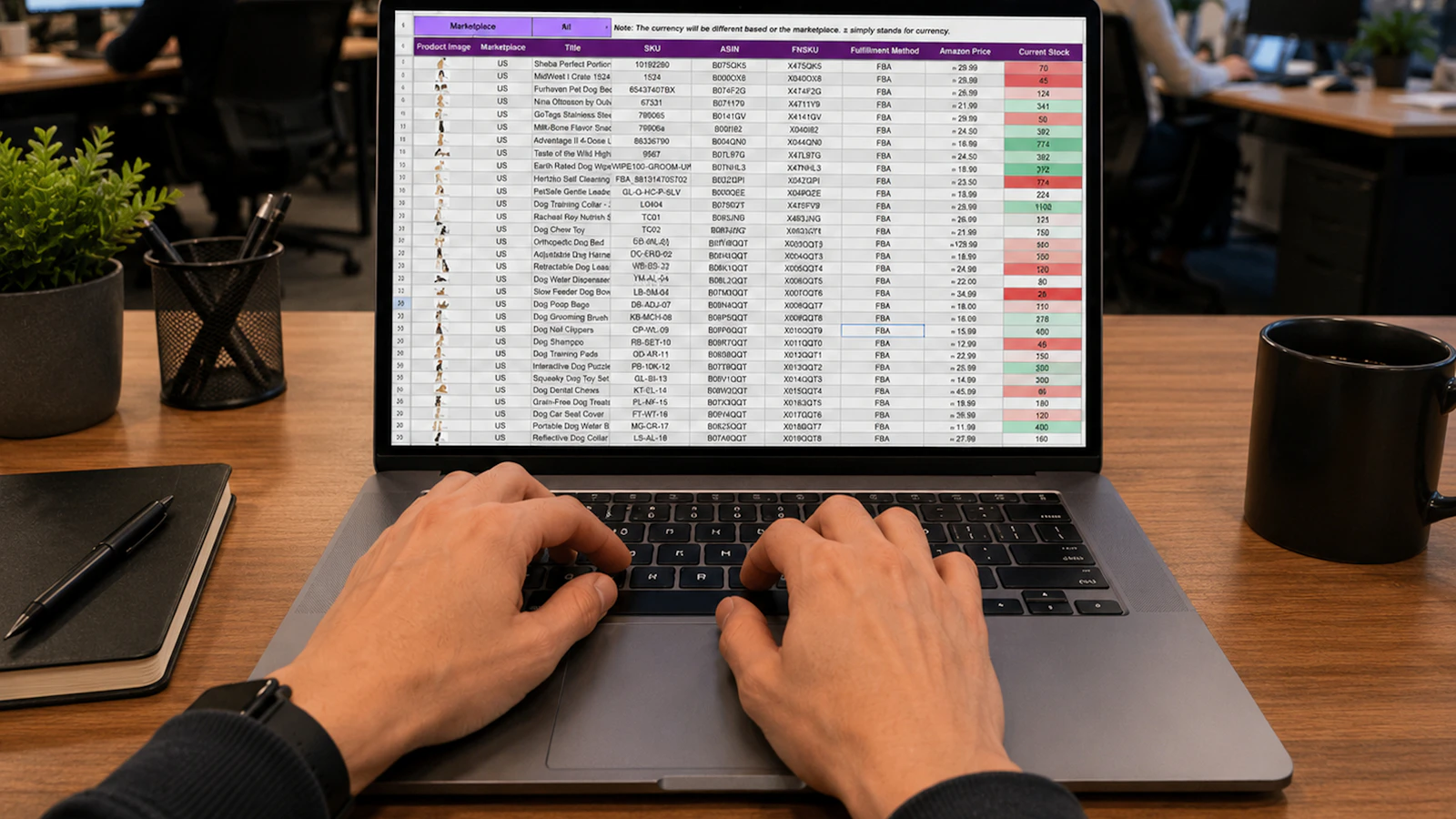
An unfilled purchase-and-refund mapping sheet
Record the actual purchase milestone, authoritative order reference, transaction identifier, item fields, currency definition and value calculation. Leave transaction values empty until supplied by the operational system. Check that the identifier remains stable across the approved purchase journey and that page refresh does not represent a new commercial order.
Map refunds to the original transaction using the structure in Google's ecommerce guidance. Include relevant item information when measuring item-level refunds, and distinguish a cancellation before the agreed purchase milestone from a refund after it. Do not invent a negative purchase as an undocumented substitute for refund measurement.
For each supported return or payment path, keep expected behaviour and observed behaviour in separate columns. Reconcile approved test records with the order system, noting delays and exclusions. A complete payload should reflect a documented business state, not merely a successful navigation. Preserve unresolved differences for review before relying on the report for acquisition decisions.
Reconcile discrepancies, not just totals
Run a recurring comparison using transaction ID where available. Separate orders in the commerce system, eligible measured purchases, missing analytics records, duplicate sends, value mismatches, and refunds. Match reporting dates, time zones, currency, and the precise metric being compared.
Some differences may arise from user choices, blocked collection, delayed processing, or different event definitions. Investigate them without weakening consent controls merely to force numerical agreement. Record unexplained exceptions and their owners.
Before release, test one normal order, a repeated confirmation-page visit, a failed payment path, and a partial refund. Include mobile checkout and any external payment handoff.
Use the findings to prioritize a mobile checkout audit, then surface actionable exceptions in a marketing dashboard.
Ask Kitely to define the event contract and reconciliation checklist so ecommerce reports support decisions without pretending to be a financial ledger.