- How can you find missing or duplicate conversion events?
- What should a tracking audit reconcile with orders and CRM records?
Decide what should count before testing tags
Conversion tracking QA in Egypt starts with a business definition, not a dashboard total. For a store, distinguish an order created, a payment confirmed, and an order later cancelled. For a service business, distinguish form success, a CRM record, and an accepted opportunity. Different systems may legitimately report different stages.
Write a measurement contract for each important action: business meaning, expected trigger, destination systems, identifier, and accountable owner. Specify whether the event should occur once per successful action. This creates a testable expectation rather than relying on whether a graph appears plausible.
Build a small but deliberate test matrix
List the journeys that could change event delivery: mobile and desktop, the relevant language versions, successful and rejected form submissions, payment success and failure, and any external checkout return. Include the consent states relevant to your implementation without bypassing the user's choice.
For each case, record the expected business result and the expected measurement behavior. Use safe test orders or an approved testing process; avoid creating uncontrolled fulfilment or accounting work. Identify and document test records so the team can exclude them from commercial interpretation where appropriate.
Google documents how GA4 events are sent and how recommended events are structured in its events guide and event reference. Use the definitions relevant to your implementation rather than inventing event meanings after launch.
Inspect missing and duplicate paths separately
For a missing event, first confirm that the business action really succeeded. Then inspect the browser's network activity, the active tag configuration, available debug tools, and the receiving system. Check for failed validation, script errors, blocked requests, premature navigation, and inconsistent templates. One absent report row does not identify the failing layer.
For a duplicate, repeat the journey with a refresh, a return visit, and a payment-provider redirect where applicable. Look for overlapping implementations, multiple success callbacks, or events tied to page views instead of confirmed actions. Preserve the purchase identifier consistently. Google's GA4 ecommerce guidance describes purchase measurement using transaction and item information; verify the required meaning and structure against your actual checkout.
Reconcile with orders and CRM records
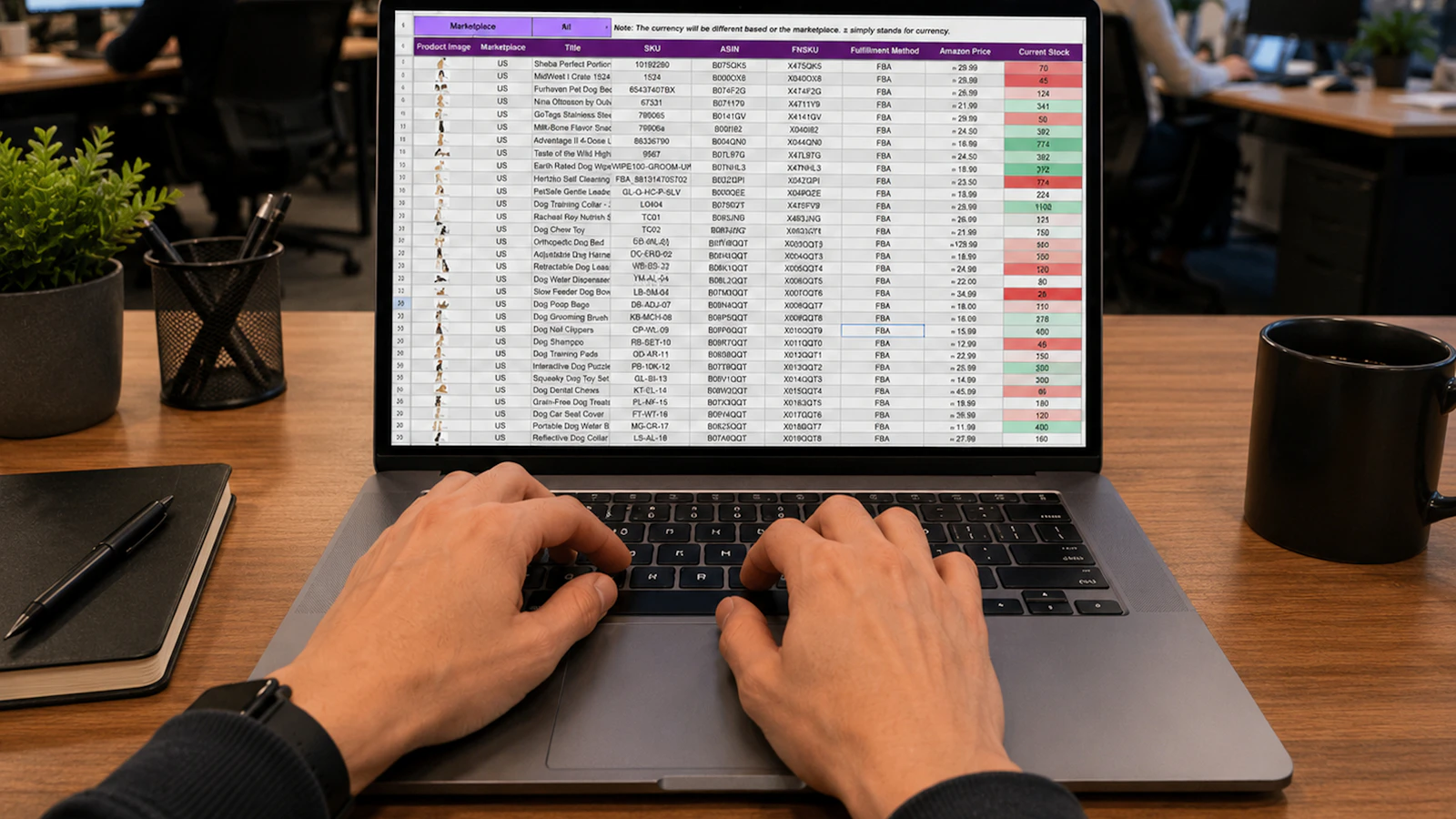
Create a restricted reconciliation sheet using non-sensitive test identifiers. Compare the business system record, event observed during testing, analytics receipt, and advertising destination when relevant. Do not transmit personal contact details as analytics event parameters.
Compare like with like: date range, time zone, order status, currency treatment, and revenue definition. Allow for each system's reporting delay before declaring data missing. Attribution reports answer a different question from whether an event arrived, so exact channel totals are not a valid substitute for record-level QA. For naming discipline, see UTM governance in Egypt.
A blank diagnostic and reconciliation record
For each approved test journey, record its business state, expected event, observed event, transaction or internal reference, consent state and evidence location. Keep observed results empty until the journey is actually exercised. An expected event should come from a documented definition, not a desired reporting total.
Check successful completion, validation failure, interruption, refresh and return paths where the implementation supports them. Compare each observed event with the operational record. Distinguish a duplicate, a missing event and a correctly suppressed event before assigning a repair.
Give each discrepancy an owner, reproduction steps and a repeatable acceptance check. After a change, rerun the affected path and neighbouring paths that share its triggering logic. Preserve identifiers consistently, and inspect the payload without exposing personal or payment information. Keep the final record as release evidence; a test pass confirms specified behaviour in the tested paths, not complete reporting or commercial improvement.
Close the audit with evidence
Record each defect, reproduction steps, expected behavior, owner, fix, and retest result. Do not treat a tag appearing in a manager as proof of delivery, or install an additional collection route merely because counts differ. Architecture changes require an identified need, not a blanket requirement.
Use the Egypt ecommerce measurement guide for a broader plan. For a focused QA review, contact Kitely with your event definitions, checkout paths, and anonymized mismatch examples.