Approve a voiceover against the message and the actual recording before building the final video around it. For Egyptian businesses commissioning Arabic and English content, a clear acceptance brief should cover meaning, pronunciation, delivery, and usable audio. A pleasant voice alone does not establish that the commercial promise is accurate or that the editor has the right files.
Lock the script and its intended use
Assign a script version and identify the decision-maker who can approve changes. Mark service names, product names, abbreviations, and any wording that must remain exact. Confirm that claims and offer conditions match approved business information before recording. A producer should not have to interpret an unresolved commercial claim during the session.
Specify the audience, language, intended channels, and desired next action. For Arabic, decide whether the brief calls for Egyptian colloquial delivery or formal Arabic based on the actual audience and brand policy. Do not assume all business videos need the same register. If English terms remain in the Arabic script, supply the approved pronunciation and explain which terms may be localized.
Check the recording chain early
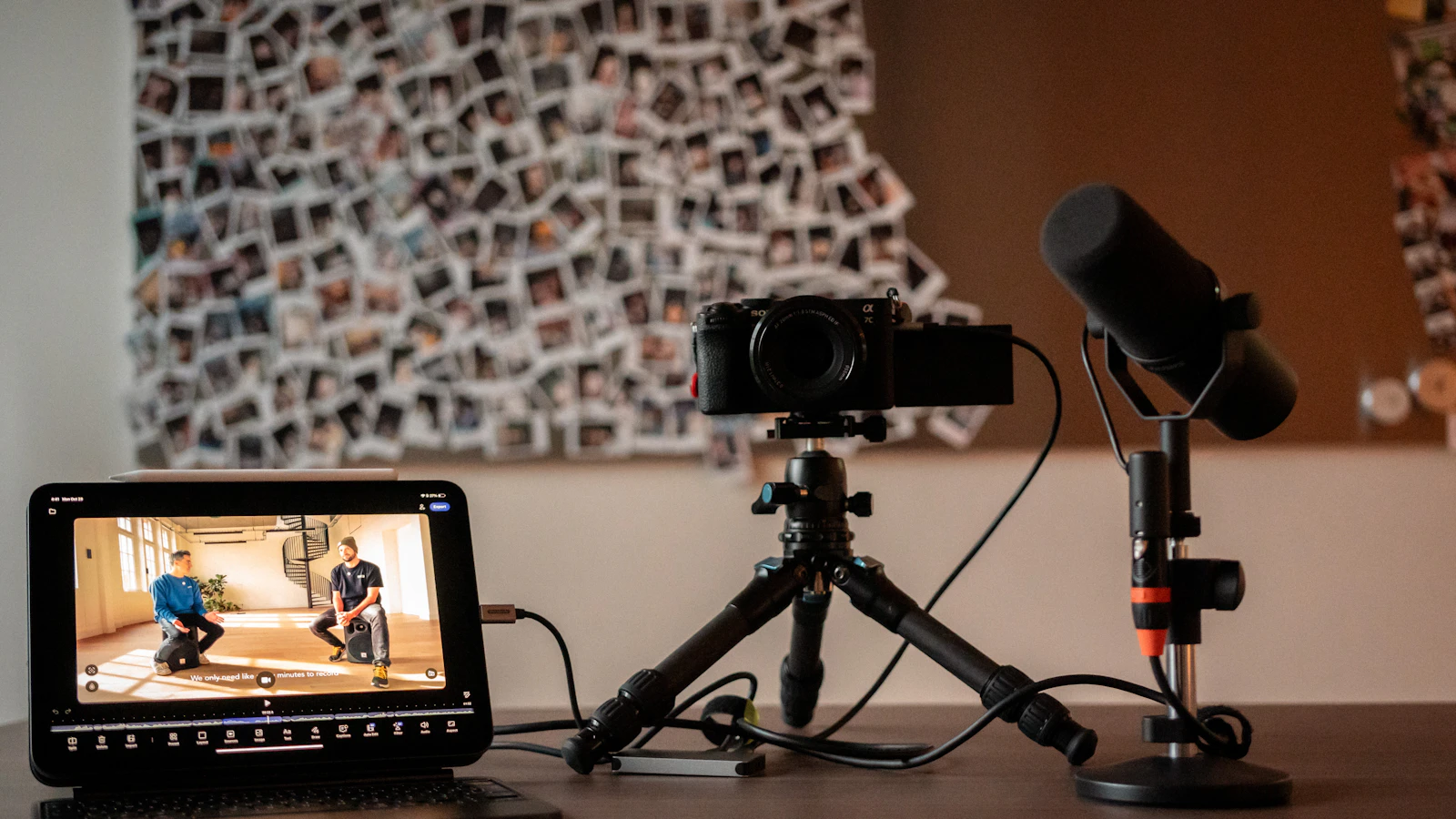
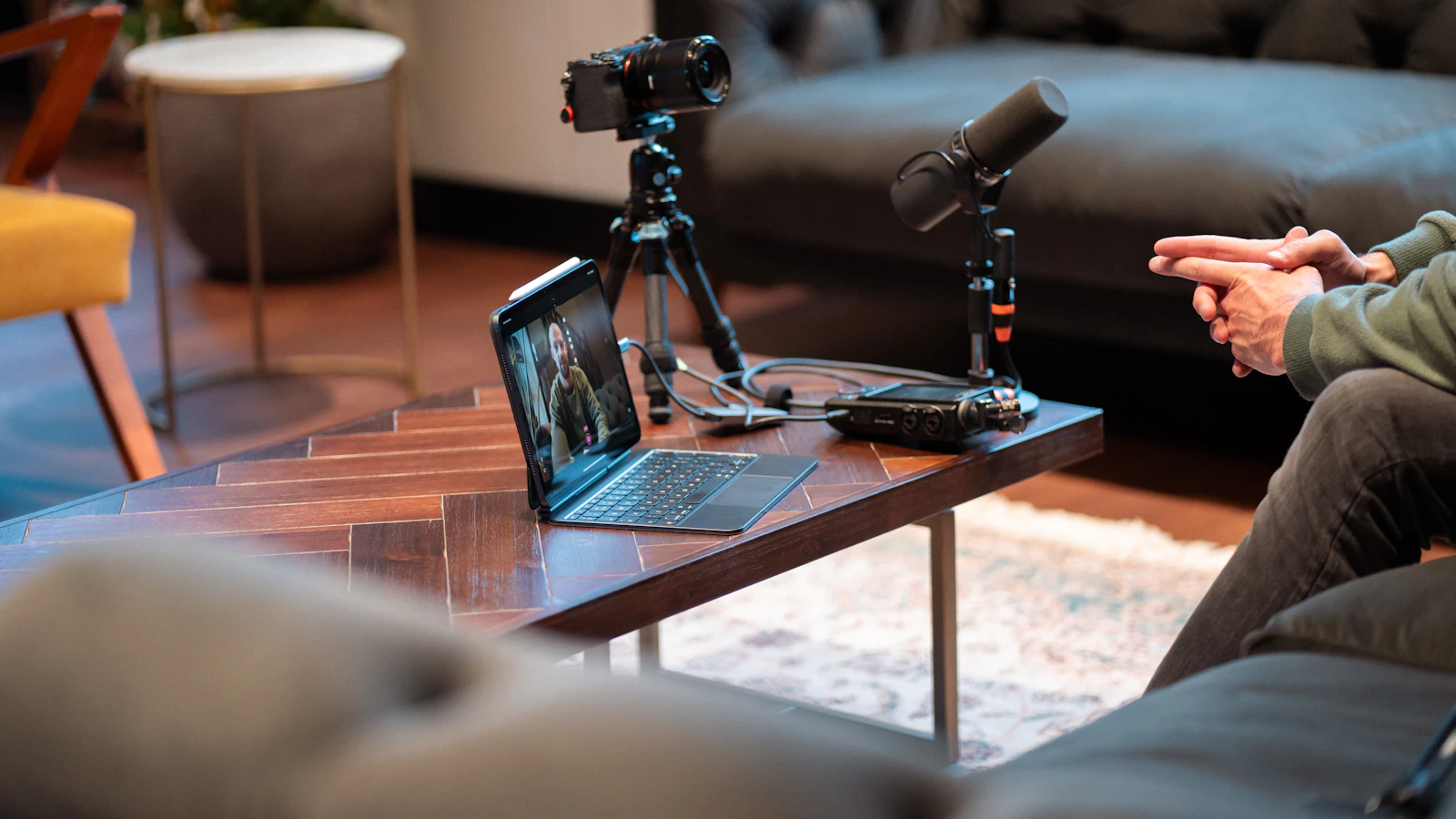
Adobe’s recording guidance describes selecting inputs and adjusting the incoming signal before recording. The practical purchasing implication is to request a short technical check before committing the full script, using the intended microphone and recording environment.
Listen for distracting room noise, distortion, inconsistent distance, and unclear consonants. Ask the audio professional to confirm the agreed delivery specification rather than inventing one universal loudness setting for every destination. Keep the unprocessed recording available alongside the approved processed version when the production agreement permits it. This gives the editor a clear source for later adjustments.
Separate accuracy from performance direction
Review exact wording first. Check omitted qualifiers, altered service descriptions, numbers, and the final call to action. Then assess pace, emphasis, and whether the delivery supports comprehension. Do not allow a more energetic performance to replace a factual condition or turn a conditional statement into an absolute promise.
Record feedback at identifiable time positions and quote the words that require revision. Distinguish pronunciation corrections from requests for a different style. Consolidate comments through one responsible reviewer so the performer does not receive conflicting instructions from several people. Keep the accepted take clearly labeled and preserve the rejected take only as needed for the production record.
Evaluate both languages on their own terms
Match Arabic and English factual content without forcing identical durations. A translation can require different phrasing to sound natural. Review the script before attempting to solve length differences by accelerating delivery. If the visual sequence needs adjustment, decide that with the editor instead of removing meaningful information from one language.
Check the final audio together with captions and on-screen wording. Confirm that brand terminology remains consistent and that music does not obscure essential speech. Listen through a phone speaker as well as the review setup, and note any words that become difficult to follow. These checks support a production decision; they do not predict engagement or sales.
Make acceptance a usable handoff
The delivery record should identify script version, language, accepted take, file format, unresolved items, and approval owner. Confirm the agreed usage permissions with the supplier; a downloadable file alone does not describe the permitted scope. Before closing the task, ensure the editor can locate the approved file without relying on a chat attachment history. Measure re-recording causes over time to improve the next brief, without treating unmeasured time savings as a result.
For the next step, read Video Export and Handoff QA for Egyptian Marketing Teams. Explore Kitely’s services or contact Kitely to discuss the relevant scope.