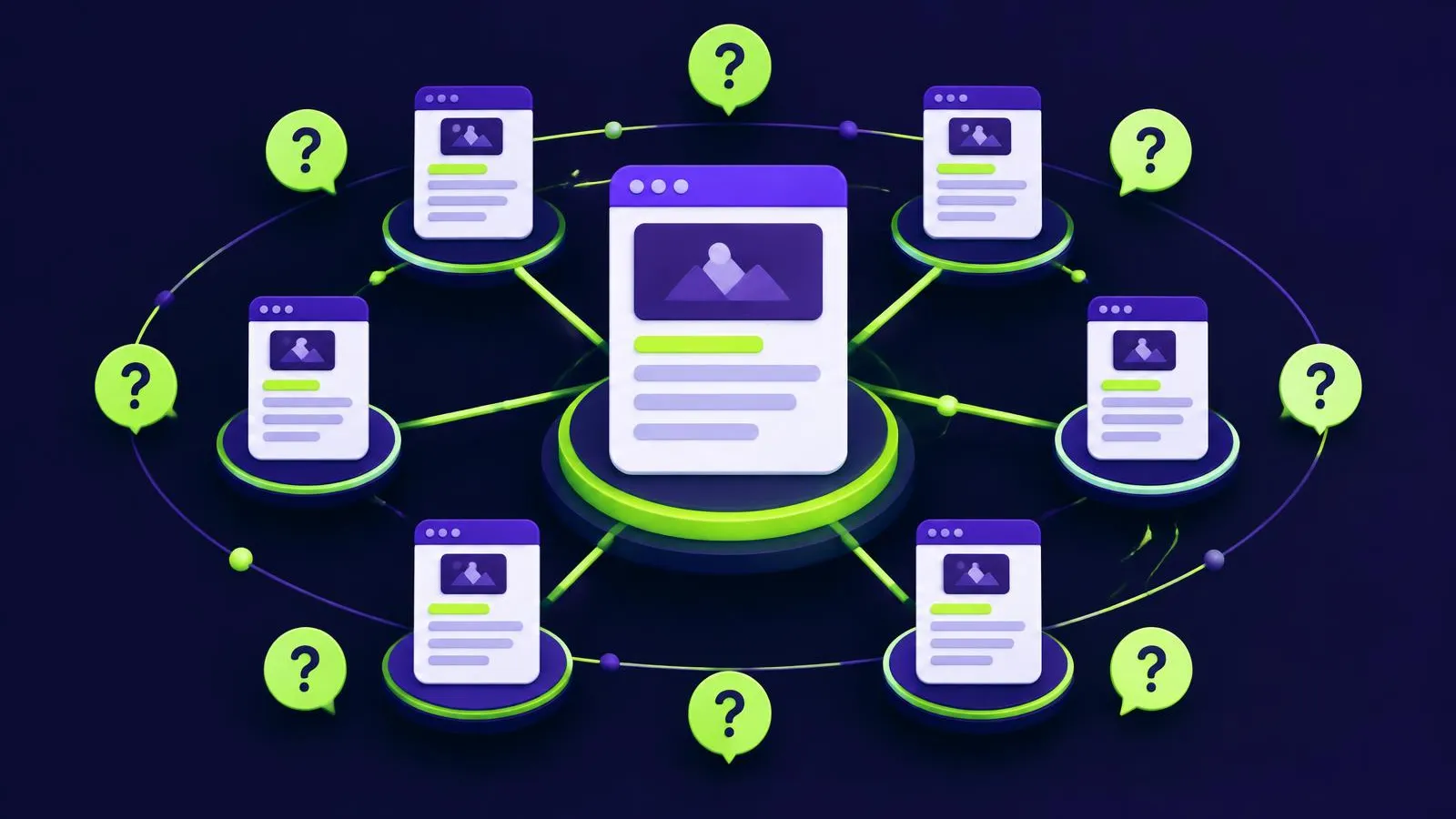
Release bilingual content from a shared revision record that identifies the approved Arabic and English versions together. Two individually approved documents can still describe different offers if one was translated from an older source. Egyptian content teams should track factual changes across the pair before scheduling either version for publication.
Give the content pair a stable identity
Assign one content identifier and separate language-version identifiers. Record the current source revision, translation revision, fact-check state and publication destination. Avoid relying on filenames containing final or latest; these labels do not explain which facts were approved or which translation depends on them.
Keep one controlled location for the active working versions and make superseded versions distinguishable. Give contributors the appropriate editing access, and identify who can approve a release. A shared folder without clear ownership can still contain several competing versions that different colleagues consider authoritative.
Record changes by meaning
For each change, identify whether it affects a fact, scope, date, call to action, structure or wording only. Write the affected passage and the reason for the edit. Mark the counterpart language as requiring review whenever the meaning changes, even if the other document remains grammatically correct.
Keep the underlying evidence attached to the change record. A translator should be able to understand the corrected fact rather than guess why a sentence was replaced. If the source remains unresolved, keep both versions in review instead of letting fluent copy conceal an unsettled business commitment.
Use version history as evidence, not approval
Google Docs’ version-history guidance explains reviewing earlier versions and creating named versions. These features can help preserve a working reference. They do not establish that the Arabic and English documents have been checked together or that the business owner approved publication.
Create an explicit release record that points to the approved version of each language. Record the approver’s actual decision and any remaining limitations. Do not label a document reviewed by an expert unless that review occurred. Keep draft assistance, editorial proofreading and factual authorization distinguishable.
Review parity at the claim level
Compare claims, numbers, conditions, dates, named entities and calls to action side by side. Check that limitations remain present in both languages and that a qualified statement has not become a guarantee. Natural localization can change sentence order and phrasing while preserving the same factual commitment.
Review titles, excerpts, metadata and image alt text as part of the release. These fields are often stored separately from the body and can retain an earlier promise. Check the paired links and destination language so a reader does not move from an updated page to an outdated counterpart.
Control scheduling and verify the published pair
Freeze the approved pair for release. If a material edit arrives afterward, reopen the affected review instead of pasting it into only one scheduled version. Record whether both publication jobs were updated and which version each job will use. An approval in a document does not prove that the publishing system contains that revision.
After publication, compare the live body and metadata with the approved pair. Keep the URLs and verification date in the release record. If a version mismatch is discovered, correct the actual published content and document the change. Review recurring mismatches to identify whether the failure occurred in briefing, translation, approval or scheduling, rather than treating every issue as a translator’s mistake.
Read Expert Interviews into Evidence-Led Content for Egypt. Explore Kitely’s services or contact Kitely to discuss your requirements.
References
Google Docs: find changes and version history
Cover: Yen Vu — Unsplash License.