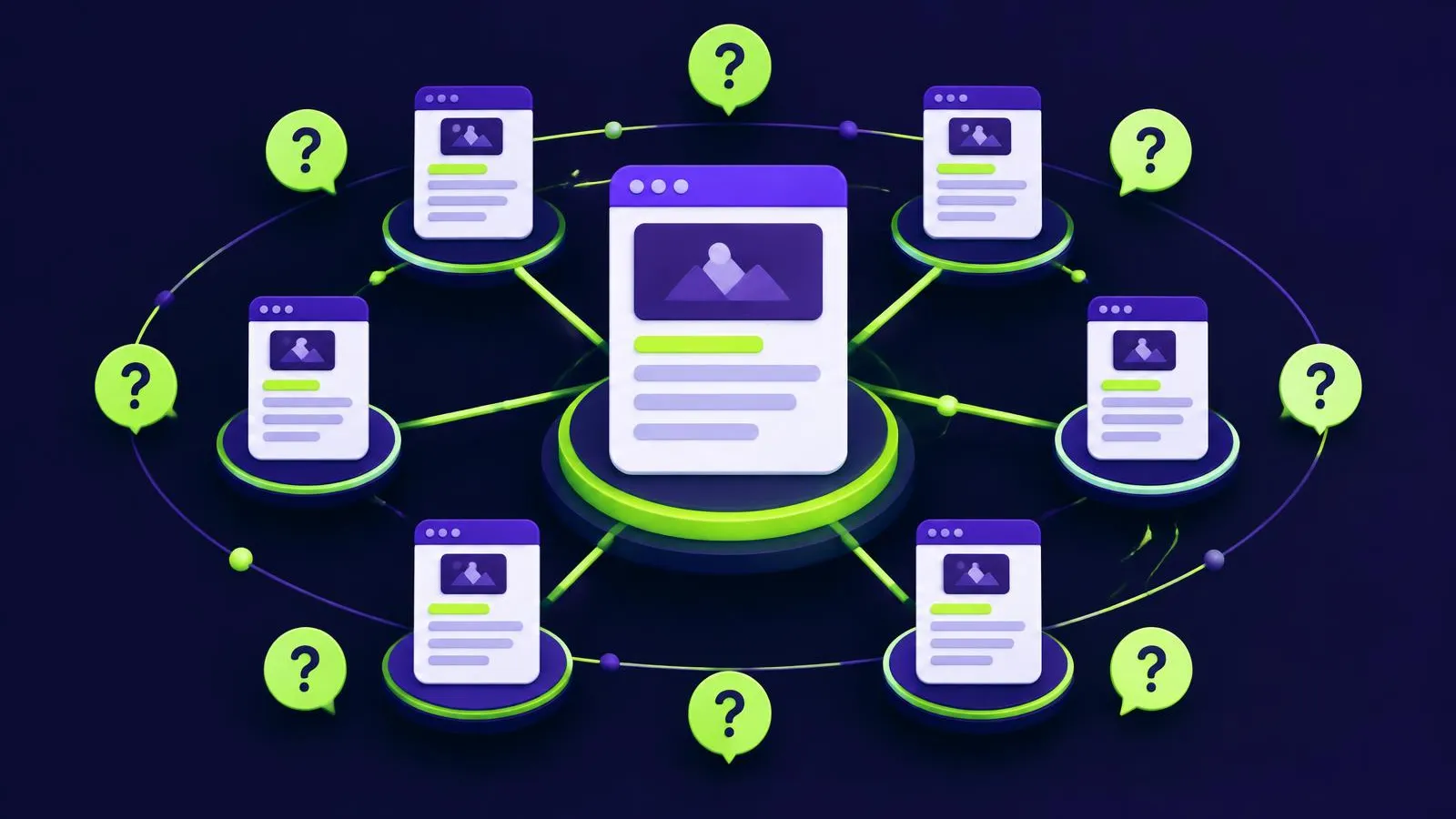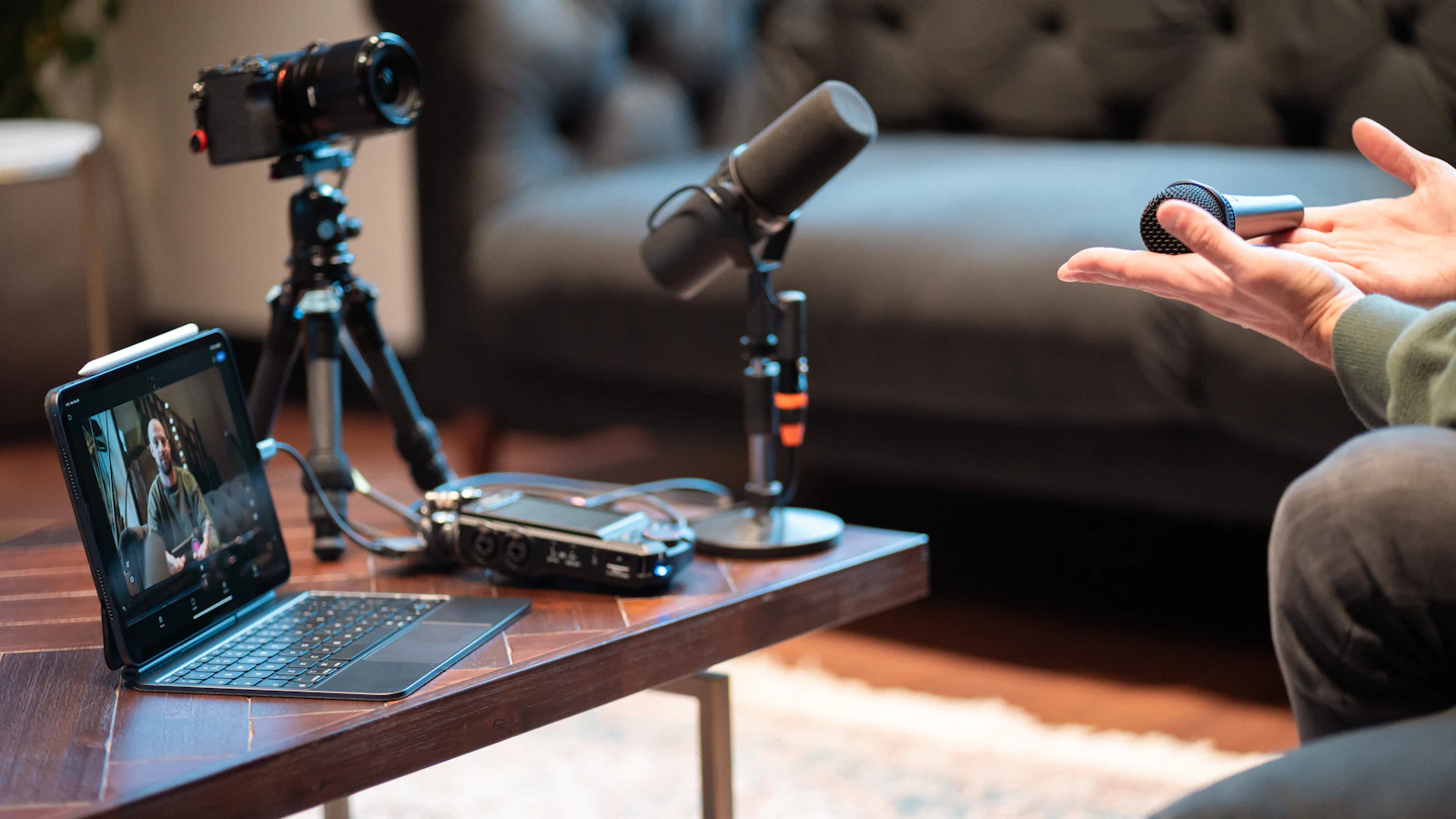
- How can you turn a webinar into an article that serves a distinct reader need?
- What permissions, source records and editorial checks should precede publication?
Decide what the article must help someone do
A webinar and an article should not automatically serve the same intent. Someone attending a live session may want an introduction and audience discussion. Someone reading later may need to compare options, prepare an internal brief, or resolve one implementation question. For an Egyptian B2B team, the useful decision is not how many posts a recording can produce. It is which buyer question deserves a complete written answer.
Write an article promise before opening the transcript: reader, decision, required evidence, and next step. If the webinar covers five themes, choose one. Preserve the speaker's meaning without preserving the event's chronological structure.
Establish permission and a reliable source record
Confirm who can authorize reuse of the recording, slides, speaker contributions, and third-party material. Record the approved channels and whether attribution or quotation review is required. Attendance does not establish permission to publish an identifiable participant's question. Remove identifying details or obtain appropriate authorization before including it.
Keep a source package containing the original recording, a timestamped transcript, presentation files, and permission decisions. Automated transcription is a draft, not an authoritative account. Listen again wherever the transcript contains numbers, product names, Arabic-English terminology, or statements that could become public claims.
Use a claim ledger with four fields:
- Proposed statement and recording timestamp.
- Supporting document or original source.
- Named reviewer responsible for verification.
- Decision: publish, qualify, replace, or omit.
A speaker's confident delivery is not independent verification. If a statistic cannot be traced to a suitable source, remove it or replace it with an unfilled input field and a note describing the evidence required.
Rebuild the article around a different intent
Google's people-first content guidance emphasizes original, substantial value. Apply that editorially: add a decision framework, explain prerequisites, and make the answer usable without watching the webinar. Reformatting spoken sentences alone does not create that value.
Build a fresh outline: the decision, relevant constraints, practical steps, an example, common mistakes, and a next action. Separate verbatim quotations from editorial paraphrases. Check whether a speaker described a personal experience, a recommendation, or a general fact; those categories should not become interchangeable during editing.
For bilingual publication, verify both versions against the approved claim ledger. An Arabic editor should resolve terminology and sentence meaning, not simply reproduce English syntax. Obtain a final subject-matter review after restructuring, because new headings can accidentally broaden an otherwise narrow claim.
A blank recording-to-article traceability sheet
Choose the reader's actual preparation or evaluation task before selecting excerpts. Record the question, relevant recording timestamp, approved material, supporting document, required update and reviewing specialist. Leave unsupported answers open instead of turning a speaker's suggestion into a verified capability.
Build the article around the task, not the order of the presentation. A preparation checklist should distinguish information the reader must supply from information the provider must confirm. Mark any dependency that cannot be resolved from the recording for specialist review. Remove identifiable attendee material when its reuse is not authorized.
Check each retained claim against current documentation and preserve the timestamp for editorial traceability. Confirm that quotations, paraphrases and additional explanations remain distinguishable. The next action should ask only for information relevant to the task and should not hide the useful checklist behind an unexplained sales request. Retain the completed review with the article so later product changes can be checked against its source.
Release checks and avoidable mistakes
Before publication, confirm that quotations match the recording, claims remain current, permissions cover the chosen format, and the article answers its stated question. Keep the approval record with the draft. Avoid publishing the transcript as an article, retaining event housekeeping, or treating an unverified anecdote as evidence.
Place the article within a relevant service content cluster, then choose a business-relevant follow-up action. For help building a permission-aware webinar-to-article workflow, contact Kitely with the recording, intended reader, and available approval owners.